








- Home >
- Latest news >
- What to Do on the Costa Brava in Winter: Complete Guide Platja d'Aro Winter 2026
What to Do on the Costa Brava in Winter: Complete Guide Platja d'Aro Winter 2026
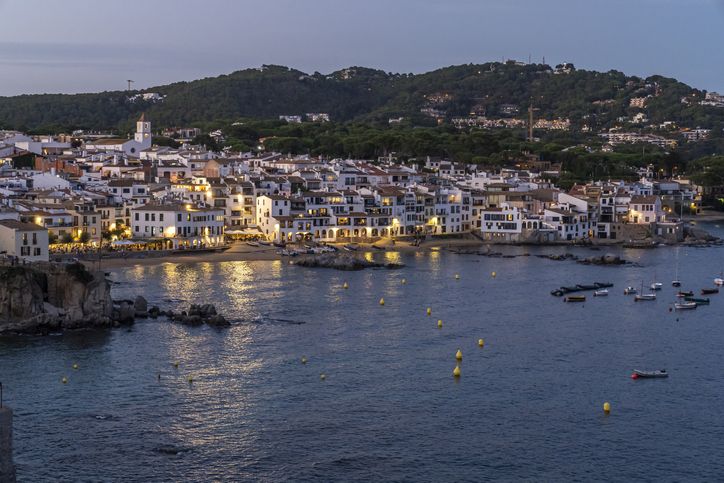
Winter on the Costa Brava reveals a little-known and authentic side of this iconic Catalan region. Far from the summer crowds, Platja d'Aro hivern offers a unique experience where Mediterranean charm combines with the tranquility of the winter months. For French investors looking for a property on the Costa Brava, understanding the winter appeal of destinations like Platja d'Aro is a decisive asset in the valuation of their real estate.
At IMMO 365 Costa Brava, we have been assisting French buyers with their real estate projects for nearly 50 years. Our deep knowledge of Platja d'Aro, Roses, Empuriabrava, and Cadaqués allows us to affirm that the winter appeal of these destinations contributes significantly to their annual rental potential and residential quality of life. Discover why winter transforms the Costa Brava into a preferred destination for connoisseurs.
Why Choose Platja d'Aro in Winter?
A Mild Mediterranean Climate All Year Round
Platja d'Aro benefits from a subtropical Mediterranean climate characterized by remarkably mild winters compared to the harsh French winters. From November to March, daytime temperatures hover between 12°C and 16°C, offering pleasant comfort for all outdoor activities. Sunny days remain frequent even in the middle of winter, with an average of 5 to 6 hours of daily sunshine.
This mild climate is a major argument for second-home owners on the Costa Brava. Unlike mountain resorts where the season is limited, or tropical beach destinations that require long flights, Platja d'Aro offers immediate accessibility from France (2.5 hours drive from Perpignan) while guaranteeing a pleasant climate suitable for winter stays.
Nights can be cool, particularly in January and February when temperatures drop to around 5°C to 8°C. This moderate thermal range allows for comfortable use of properties equipped with heating, without the prohibitive energy costs of continental climates. For investors, this climatic characteristic significantly widens the rental window beyond just the summer months.
Authenticity Rediscovered: Living the Real Costa Brava
Winter reveals the true face of Platja d'Aro, stripped of the summer tourist frenzy. The shopping streets in the center regain a human-scale liveliness, restaurants prioritize local clientele and offer authentically Catalan cuisine, and deserted beaches offer an intimacy that is impossible in summer. This authentic atmosphere is particularly attractive to French owners seeking a preserved Mediterranean quality of life.
The weekly market in Platja d'Aro, held every Thursday morning on Avinguda Cavall Bernat, takes on a local dimension in winter. Regional producers offer their seasonal specialties: calçots (sweet Catalan onions), wild mushrooms, chestnuts, new olive oil, and Empordà wines. This immersion in daily Catalan life is an enriching cultural experience that is impossible to have during the summer rush.
Local shopkeepers, less busy with the tourist flow, take the time to chat and offer advice. This human proximity creates a sense of belonging to the local community, a fundamental element for owners who consider Platja d'Aro as a primary or semi-permanent residence. At IMMO 365 Costa Brava, we see that our French clients particularly appreciate this authentic dimension of winter life.
Outdoor Activities: Enjoying the Costa Brava Off-Season
Hiking the Coastal Paths: The Camí de Ronda
Winter is the ideal season to discover the famous coastal paths (Camí de Ronda) that run along the entire Costa Brava. These historic coastal trails, originally created for maritime surveillance, offer spectacular panoramas of the Mediterranean. From Platja d'Aro, several routes are available for walkers of all levels.
The route toward S'Agaró and Sa Conca (6 kilometers round trip, easy) is an essential classic. This perfectly maintained path winds between the luxurious villas of S'Agaró, an elegant neighborhood created in the 1920s by the architect Rafael Masó. Maritime pines line the path, providing pleasant shade even on sunny days. The views of the Sa Conca and Sant Pol coves reward the walkers, and the absence of winter crowds allows one to fully savor the beauty of the surroundings.
The route north toward Calonge and Palamós (10 kilometers one way, medium) will delight more seasoned hikers. This wilder path crosses a succession of hidden coves: Cala Rovira, Cala Sa Cova, Cala del Pi, Cala dels Canyers, and Cala Belladona. Each of these calas offers a unique character, with spectacular rock formations and deep blue waters even in winter. The mild temperature allows for comfortable picnicking on deserted beaches, an experience impossible during the summer influx.
For experienced walkers, the full route from Platja d'Aro to Cap Roig (15 kilometers one way, difficult) is a rewarding challenge. This more demanding path crosses steep rocky areas and offers panoramic views of the entire Costa Brava coastline. Cap Roig, with its spectacular botanical gardens, marks an enriching cultural stop before the return.
Water Sports and Marine Activities
Contrary to popular belief, winter does not forbid water activities on the Costa Brava. While traditional swimming mostly attracts the most daring (water temperature between 13°C and 15°C), other water sports find their optimal conditions in winter.
Sea kayaking is growing in popularity during the winter months. The absence of summer waves and intense boat traffic creates ideal conditions for exploring coves inaccessible by land. Several clubs in Platja d'Aro offer kayak rentals and organize guided tours suitable for beginners. These outings allow for the discovery of sea caves and spectacular rock formations in absolute calm.
Scuba diving in winter attracts enthusiasts looking for exceptional visibility. The cold but crystal-clear waters offer clarity that can exceed 30 meters, revealing an unsuspected biodiversity. The three diving clubs in the Platja d'Aro area organize supervised winter outings with drysuits. The diving sites around the Formigues Islands, a few kilometers offshore, are home to preserved Mediterranean fauna: groupers, octopuses, nudibranchs, and multicolored sponges.
Paddleboarding and stand-up paddleboarding also see a resurgence of interest in winter. The Platja d'Aro marina offers rentals and private lessons adapted to winter conditions. These activities allow one to maintain physical fitness while enjoying the exceptional setting of the Platja d'Aro bay.
Cycling and MTB: The Costa Brava on Two Wheels
Winter transforms the Costa Brava into a paradise for cyclists and mountain bikers. The mild temperatures (12-16°C during the day) are ideal conditions for physical effort, avoiding the crushing heat of summer. Platja d'Aro and its surroundings offer a dense network of cycling routes suitable for all levels.
Greenways (vías verdes) built on old railway lines offer safe and smooth paths. The greenway from Girona to Sant Feliu de Guíxols, accessible from Platja d'Aro, crosses the rolling landscapes of the Catalan hinterland with a moderate incline. These family-friendly routes allow for the discovery of inland medieval villages: Castell d'Aro, Romanyà de la Selva, Santa Cristina d'Aro.
For more athletic cyclists, the mountain roads of Les Gavarres offer significant climbs and exceptional panoramas. The ascent to Sant Grau d'Ardenya or the sanctuary dels Àngels rewards the effort with 360° views of the Costa Brava and the snowy Pyrenees in the distance. The absence of winter traffic makes these climbs safer and more enjoyable than in high season.
Several bike rental companies in Platja d'Aro offer road bikes, MTBs, and electric bikes, with home delivery services. For villa owners, this facility allows for organizing sports stays without logistical constraints. At IMMO 365 Costa Brava, we are seeing an increasing demand for properties equipped with secure storage spaces for bikes, reflecting the importance of this activity.
Culture and Heritage: Rediscovering the History of the Costa Brava
Castell d'Aro: The Preserved Medieval Village
The medieval village of Castell d'Aro, located just 3 kilometers from Platja d'Aro, is an essential cultural excursion during the winter months. This small hilltop village has miraculously escaped the tourist development that transformed the coast, preserving its authentic character and architectural heritage.
The Castle of Benedormiens, with some elements dating back to the 12th century, dominates the village from its rocky promontory. Built to protect the population from the Saracen pirate raids that terrorized the Catalan coast, this castle had a turbulent history before being partially destroyed in the 19th century. The surviving remains, carefully restored, regularly host temporary exhibitions and cultural events during the winter.
The Gothic church of Santa Maria, dating from the 11th century, is another jewel of Castell d'Aro's heritage. Its sober Romanesque architecture contrasts with the grandiose cathedrals found in large Catalan cities. Visitors appreciate precisely this modesty and authenticity, witnesses of a popular faith rooted in medieval peasant life. The interior houses restored frescoes and a remarkable Baroque altarpiece.
The narrow paved streets of Castell d'Aro invite contemplative strolling. The stone houses with colored shutters, the small squares shaded by old plane trees, and the tiny plazas where local bar terraces are located create a timeless atmosphere. In winter, the absence of tourist crowds allows one to fully appreciate this village charm and chat with the inhabitants.
Museums and Cultural Centers of the Region
Winter is the ideal season to discover the cultural riches of the Costa Brava without the summer queues. Several remarkable museums are located in the immediate vicinity of Platja d'Aro, accessible in less than 30 minutes by car.
The History Museum of Sant Feliu de Guíxols (12 km south) occupies an old 10th-century Benedictine monastery. Permanent collections trace the maritime history of the Costa Brava, from Roman times to the 20th century. The exhibitions on coral fishing, medieval maritime trade, and the cork industry will captivate local history buffs. The monastery itself, with its Romanesque cloister and defense tower, is an exceptional architectural monument.
The Carmen Thyssen Museum in Sant Feliu de Guíxols, inaugurated in 2023, presents a permanent collection of 19th-century Catalan art from the Thyssen-Bornemisza foundation. Paintings by masters like Rusiñol, Casas, or Urgell illustrate the birth of modern Catalan artistic identity. Temporary winter exhibitions attract an insider audience without the summer crowds.
The Casa Museu Rafael Masó in Girona (35 km) offers an immersion into Catalan modernism. This perfectly preserved Novecentista home testifies to the refinement of the Catalan bourgeoisie of the early 20th century. The guided tour reveals the architectural and decorative details characteristic of this artistic movement that shaped the visual identity of Catalonia.
Winter Gastronomy: The Flavors of the Season
The Calçotada: An Unmissable Catalan Tradition
The Catalan winter is celebrated around a unique gastronomic tradition: the calçotada. From January to April, restaurants in Platja d'Aro and throughout Catalonia offer this regional specialty that brings together diners and families in a festive atmosphere. Calçots, tender onions grown specifically in the Valls region, are grilled over vine branches until the outside is charred, then enjoyed with a traditional romesco sauce.
Eating calçots is a social ritual as much as a meal. Diners put on bibs, peel the hot calçots with their fingers, dip them generously into the romesco sauce, and eat them by lifting the onion above their mouth. This technique, which may seem confusing to newcomers, is an integral part of the Catalan cultural experience. The meal traditionally continues with a mixed grill (carne a la brasa) including lamb chops, Catalan sausages (butifarra), and grilled vegetables.
Several restaurants in Platja d'Aro specialize in the winter calçotada, offering either fixed all-inclusive menus or à la carte options. Establishments with enclosed and heated terraces allow one to enjoy this tradition even on cooler days. For owners of villas equipped with a barbecue, buying calçots at the local market allows them to reproduce this tradition in the privacy of their home.
Seasonal Products and Local Cuisine
Winter reveals a little-known side of Catalan gastronomy, centered on seasonal products from the hinterland. Wild mushrooms (bolets) take pride of place on restaurant menus from November to February. Rovellons (saffron milk caps), ceps, hedgehog mushrooms, and black trumpets garnish traditional Catalan dishes: revuelto de setas (scrambled eggs with mushrooms), crema de bolets (mushroom soup), or simply grilled on the plancha with garlic and parsley.
Roasted chestnuts (castanyes), sold by street vendors in markets and on the streets, are the quintessential winter snack. Served in newspaper cones, they are eaten hot while strolling the streets of Platja d'Aro or Castell d'Aro. This simple tradition perfectly embodies the convivial spirit of the Catalan winter.
The harvest of new olive oil (oli nou), which runs from November to January, gives rise to many tastings in the mills of the Empordà. These early oils, with their fruity and slightly spicy taste, enhance traditional winter dishes. Many restaurants in Platja d'Aro offer special "new oil" menus highlighting this emblematic product.
Winter Sales: Opportunities and Atmosphere
Platja d'Aro has built a reputation as a shopping destination on the Costa Brava, particularly strengthened during the winter sales (rebaixes d'hivern) period which runs from early January to late February. The boutiques on Avinguda de Cavall Bernat and adjacent streets offer substantial discounts on autumn-winter collections, attracting local and French shoppers looking for a bargain.
The commercial offering in Platja d'Aro is distinguished by its diversity: Spanish and international fashion boutiques, interior design stores, sports and outdoor equipment shops, bookstores and stationers, as well as many delicatessens offering Catalan products. This variety explains why many French owners choose Platja d'Aro as a permanent or semi-permanent place of residence rather than smaller resorts.
Unlike the summer when the crowds make shopping tedious, winter allows for quiet strolling, chatting with shopkeepers, and discovering real bargains. The city center parking lots, saturated in summer, offer appreciable availability in winter. This ease of access is a significant daily comfort for permanent residents.
Catalan Christmas Traditions: Nadal and Reis
The Christmas period in Catalonia is distinguished by specific traditions that surprise and delight visitors. The Tió de Nadal (the Christmas log) and the Caganer (a traditional nativity scene figure) testify to the humor and originality of Catalan culture. Platja d'Aro organizes a program of festive events throughout the month of December, culminating on Christmas Eve (Nit de Nadal) and Epiphany (Dia de Reis).
Epiphany, celebrated on January 6, is the highlight of the Catalan holidays. The Three Kings Parade (Cavalcada de Reis) passes through the streets of Platja d'Aro in a magical atmosphere. The three kings distribute sweets to children gathered on the sidewalks in a joyful and family-friendly atmosphere. This tradition, much more important in Catalonia than Christmas itself, creates a touching community buzz. Shops stay open late and offer the traditional Roscón de Reyes, a circular brioche filled with cream.
Carnaval de Platja d'Aro: A Festive Tradition
The Carnaval de Platja d'Aro, which takes place in February according to the liturgical calendar, is one of the most anticipated winter events on the Costa Brava. This popular festival brings together residents from all over the region in an explosion of color, music, and good humor. Catalan Carnival traditions mix costumes, parades, concerts, and the inevitable burial of the sardine (enterrament de la sardina) which symbolically marks the end of winter.
The festivities span several days with a varied program: costume contests, balls de disfresses (costume balls), open-air concerts, and the great Rua (parade) on Sunday which mobilizes the entire city. This festive dimension contributes to the winter appeal of Platja d'Aro and is a selling point for rental properties. At IMMO 365 Costa Brava, we see a specific rental demand during this period, reflecting the growing interest in winter cultural tourism.
An Expanded Rental Market Thanks to the Low Season
The winter appeal of Platja d'Aro radically transforms the economic equation of buy-to-let real estate investment. Unlike purely summer resorts where rental vacancy reaches 8 to 9 months per year, Platja d'Aro allows for optimizing rental income over a much longer period. The mild climate, diverse activities, and authentic atmosphere attract several winter customer segments.
French retirees constitute a first segment looking for long stays (1 to 3 months) during the winter to escape the harsh northern climates. This loyal clientele, which is undemanding in terms of facilities (no need for a pool in winter), generates stable rental income at rates that are certainly lower than in summer but offset by the length of stay. Owners offering decreasing rates for long stays thus secure income from October to April.
Athletes (cyclists, hikers, runners) represent a second fast-growing segment. These clients look for comfortable accommodation with secure storage for their sports equipment. Short stays (3 to 7 days) during weekends and school holidays help optimize winter occupancy rates. This active clientele accepts higher rates than retirees due to their higher purchasing power.
French and European remote workers are a third segment emerging since the pandemic. The quality of life in Platja d'Aro in winter, combined with a now-generalized fiber optic internet connection, attracts professionals wishing to combine remote work and a Mediterranean setting. These medium stays (2 to 4 weeks) generate interesting rental income in the shoulder season.
Primary or Semi-Permanent Residence: Winter Quality of Life
Beyond pure rental investment, the winter appeal of Platja d'Aro makes it a preferred destination for French people considering a primary or semi-permanent residence. The ability to enjoy the property all year round, and not just during the summer holidays, justifies the investment economically and emotionally.
French retirees permanently settled in Platja d'Aro unanimously testify to the winter quality of life: a mild climate allowing for outdoor activities, a rich community social life, easy access to shops and services without the summer crowds, and a cost of living lower than in France for an equivalent level of service. This residential dimension enhances the value of luxury properties with high-quality features (efficient heating, reinforced insulation, double glazing).
At IMMO 365 Costa Brava, we guide our French clients toward properties suitable for winter use: south-facing exposure maximizing natural sunlight, economical and efficient heating systems, thermal insulation compliant with current standards, and proximity to the city center for pedestrian access to shops. These technical criteria, often overlooked in the purchase of purely summer residences, become decisive for annual use.
FAQ: Everything You Need to Know About Platja d'Aro in Winter
What is the weather like in Platja d'Aro in winter? Platja d'Aro enjoys a mild Mediterranean climate in winter with daytime temperatures ranging between 12°C and 16°C from November to March. Sunny days remain frequent with an average of 5 to 6 hours of daily sunshine. Nights can be cool (5°C to 8°C) but remain bearable with suitable heating. Precipitation is moderate and irregular, concentrated mainly in November and March. The water temperature drops to 13-15°C, too cold for traditional swimming but acceptable for equipped water sports (diving, kayaking). Overall, the winter climate of Platja d'Aro is much milder than in most of France, allowing for full enjoyment of outdoor activities with just a sweater or a light jacket on sunny days.
Can you swim in Platja d'Aro in winter? Traditional winter swimming in Platja d'Aro is mainly for the brave or fans of cold hydrotherapy. The water temperature ranges between 13°C and 15°C, a temperature considered cold for the majority of swimmers. However, sunny winter days (12-16°C air) allow for invigorating short-duration dips followed by warming up in the sun on deserted beaches. This practice, known as the "winter bath," is seeing growing popularity for its benefits on blood circulation and the immune system. For water sports like kayaking, paddleboarding, or scuba diving, drysuits allow for comfortable practice despite the cold temperatures. The nautical clubs in Platja d'Aro offer rentals of suitable equipment and guided outings throughout the winter season.
Are shops and restaurants open in Platja d'Aro in winter? Unlike some seaside resorts that become ghost towns out of season, Platja d'Aro maintains substantial commercial and gastronomic activity during the winter. The majority of shops in the city center (Avinguda Cavall Bernat and adjacent streets) remain open all year round, although hours may be reduced compared to the summer high season. Supermarkets, bakeries, pharmacies, and essential shops function normally. Many restaurants remain open, particularly those aimed at the local rather than tourist clientele. These establishments then offer a more authentically Catalan cuisine with winter specialties (calçotada, mushroom dishes, stews). Some restaurants take advantage of the winter to close temporarily for renovations and annual leave, generally in January-February. It is recommended to check opening hours, especially during the week, as some establishments close one or two days a week in low season.
What are the best activities to do on the Costa Brava in winter? Winter on the Costa Brava offers a range of diverse activities that are impossible or unpleasant during the summer heat. Hiking on the coastal paths (Camí de Ronda) is the flagship activity, with ideal temperatures for walking (12-16°C) and clear panoramas. Cycling and MTB experience their winter high season, attracting European sports clubs and groups taking advantage of the mild climate. Cultural visits to medieval villages (Pals, Peratallada, Besalú) are done without the summer crowds, allowing for authentic immersion. Gastronomic tastings, particularly the calçotada (Catalan tradition of grilled onions) from January to April, are a unique cultural experience. Water sports (kayak, paddleboarding, diving) remain practicable with suitable equipment. Natural parks (Aiguamolls de l'Empordà, Cap de Creus) reveal their winter bird fauna with exceptional birdwatching opportunities. Finally, festive events (Catalan Christmas, February Carnival) add an enriching cultural dimension to winter stays.
Is it worth investing in a property in Platja d'Aro to rent it out all year round? Yes, absolutely. The winter appeal of Platja d'Aro transforms the economic equation of rental investment compared to purely summer resorts. Three customer segments help optimize the annual occupancy rate. French retirees look for long stays (1 to 3 months) from October to April, generating stable income at moderate rates offset by the duration. Athletes (cyclists, runners, hikers) prefer short stays during weekends and school holidays at higher rates. Remote workers combine remote work and Mediterranean quality of life for medium stays (2 to 4 weeks). This customer diversification allows for reaching global annual occupancy rates of 60 to 75% compared to 30 to 40% for resorts without winter appeal. Gross rental yields are between 4% and 6% for well-located and properly marketed properties. At IMMO 365 Costa Brava, we help our clients identify properties suited to this annual rental strategy with appropriate winter features (heating, insulation, exposure).
Is Platja d'Aro easily accessible from France in winter? Yes, Platja d'Aro remains perfectly accessible from France during the winter via several options. By road from Perpignan, expect 2.5 hours via the AP-7 highway (toll) or 3 hours via the N-II national road (free). Winter road conditions are generally excellent, as snow is rare on this coastal axis. French and Spanish highways are perfectly maintained and cleared in case of bad weather. By plane, Girona-Costa Brava Airport (25 km, 30 minutes) is served all year round by low-cost flights from many French cities (Paris, Lyon, Marseille, Toulouse, Nantes). Barcelona-El Prat Airport (100 km, 1h15) offers even more connections. Ryanair, Vueling, and Transavia maintain satisfactory winter frequencies—reduced compared to summer but sufficient for planned stays. By train, Figueres-Vilafant station (30 km) is accessible via TGV from Paris, Lyon, and Marseille. This easy accessibility is a major argument for French owners who want to enjoy their property regularly or for potential tenants.
What are the advantages of buying a property with IMMO 365 Costa Brava for winter use? At IMMO 365 Costa Brava, our nearly 50 years of expertise allow us to specifically guide our French clients toward properties suited for winter use. We prioritize properties with south-facing exposure to maximize natural sunlight and passive heat, efficient and economical heating systems (heat pumps, inertia radiators), reinforced thermal insulation and double glazing, and proximity to the city center for pedestrian access to shops and restaurants open in winter. Our detailed knowledge of the winter rental market allows us to identify the areas and types of properties that generate the best annual occupancy rates. We collaborate with a network of local partners (rental managers, maintenance companies, heating technicians) to ensure the smooth operation of your property all year round. Our comprehensive service includes a technical winter audit before purchase, connection with specialized rental managers, and personalized post-acquisition follow-up. This global approach secures your investment and optimizes its profitability throughout the entire annual cycle.
Are there cultural events in Platja d'Aro in winter? Yes, Platja d'Aro and the Costa Brava in general offer a rich and authentic winter cultural program. The Catalan Christmas holidays (Nadal) are distinguished by their specific traditions: the Tió de Nadal, the Caganer in nativity scenes, and especially the Three Kings Parade (Cavalcada de Reis) on January 5, which is the major festive event of the winter. The Carnaval de Platja d'Aro in February brings the whole region together in a festive atmosphere with costume parades, concerts, and the burial of the sardine, symbolizing the end of winter. Winter medieval markets in the hinterland villages (Pals, Peratallada) recreate the atmosphere of the Middle Ages with artisans, entertainment, and period gastronomy. The region's theaters and auditoriums (Girona, Sant Feliu de Guíxols) offer a dense winter cultural season: classical music concerts, plays in Catalan and Spanish, and dance performances. Museums organize temporary winter exhibitions without the summer crowds. This cultural richness contributes to the residential appeal of Platja d'Aro for owners seeking a cultural quality of life throughout the year.
IMMO 365 Costa Brava accompanies you in your real estate project in Platja d'Aro, Roses, Empuriabrava and Cadaqués. With nearly 50 years of experience and a deep knowledge of the winter attractiveness of these destinations, we guide you toward an investment optimized for annual use. Our French-speaking team masters all the technical and commercial aspects of extended seasonal rentals. Discover our properties adapted for winter use on immo365costabrava.com/en and enjoy the Costa Brava all year round. Contact us today to identify the ideal property corresponding to your life or investment project on the Costa Brava.
Please complete the form by clicking below and our advisers will get back to you as soon as possible to discuss your project.
You can also contact us at +34 872 268 850